Lecture programme
Place : Great Hale (Magna) Hall - postcode NG34 9LH
Time : Lectures begin at 2pm followed by tea and biscuits.
We hope to continue with the lunches, October, December, February, April and June.
Further details in the newsletters.
New Membership year 2026/27
November 12th
EMPEROR QIN SHI HUANGDI AND HIS TERRACOTTA LEGACY
DAVID ROSIER
This lecture traces the origins of the Chinese Imperial Empire
which was formed in 221 BC and lasted until 1911.
China’s first Emperor, Qin Shi Huangdi (221-209 BC), unified
China in 221 BC and proved to be an exceptional bureaucrat,
creator of infrastructure and Patron of the Arts.
His greatest legacy, however, was born out of his obsession
with immortality and this materialised in the form of the World’s
largest Necropolis. Its fame came originally from the discovery
of the Terracotta Warriors in 1976 but now the site is
recognised for its vast infrastructure of buildings, including the
still sealed Emperor’s Mausoleum.
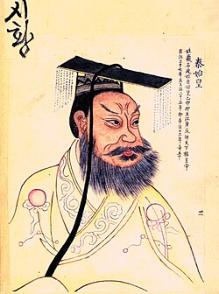
Imaginary depiction of Qin Shi Huang, 19th century
December 10th
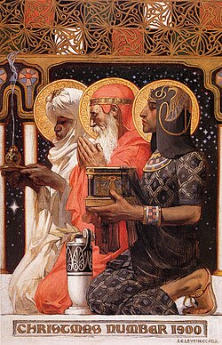
THE JOURNEY OF THE MAGI: ORIGINS, MYTH AND REALITY - THE TRUE
STORY OF THE THREE KINGS.
LESLIE PRIMO
There have been pictorial representations of The Magi
from as early as at least the 6th century, such as
depictions in Byzantine ivories with origins in places
such as Constantinople.
Indeed, a vast array of artists, such as Hieronymus
Bosch (c.1450-1516), Sandro Botticelli (1445-1510),
Pieter Bruegel the Elder (active 1550/1; died 1569),
Albrecht Dürer (1471-1528), Masaccio (1401-
1428/9?), and Peter Paul Rubens (1577-1640) to
name but a few, have been clearly fascinated by story
and its possibilities when it comes to visual
depictions.
However, these depictions over this vast period of
time have been anything but consistent. All the
aforementioned artists will be mentioned.
J. C. Leyendecker, The three wise men
2027
February 11th
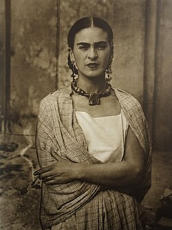
FRIDA KAHLO – A LIFE IN ART
FIONA ROSE
Mexican artist Frida Kahlo (1907-54) was queen of the
selfies long before Kim Kardashian but instead of using
Instagram Frida used a brush and oils to paint her own
reality.
Often associated with the Surrealist movement, Frida
denied this insisting she painted life exactly as she had
experienced it. Her personal life was tumultuous.
Horrifically injured in an accident as a teenager she was
dogged by physical pain for the rest of her life. She
married, divorced, and remarried the painter Diego Rivera
her artistic and political soulmate though an unfaithful
husband.
This illustrated lecture explores Frida's life as seen through
her most iconic paintings.
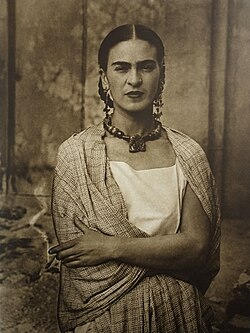
Frida Kahlo photographed in 1932 by her father
March 11th
CANALS – HISTORY AND HERITAGE
ROGER BUTLER
This lecture provides a colourful introduction to the secret
world of our 2000-mile inland waterway network and looks
at all aspects of their exceptional artistic, architectural and
engineering vernacular.
Features range from sweeping aqueducts to tiny bollards;
from colourful historic narrowboats to 'Roses and Castles'
artwork; from grand World Heritage Sites to quirky listed
buildings.
A well-known architectural historian once described our
canals as a 'poor man's art gallery'.
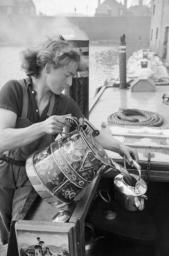
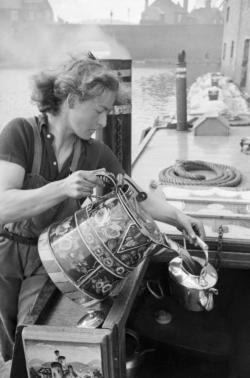
Miss March makes a cup of tea on board her
narrowboat the 'HEATHER BELL' in 1942.
April 8th
LOUISE BOURGEOIS
COLIN PINK
Louise Bourgeois was one of the most important artists of the
twentieth century. She was born in 1911 in Paris but spent
most of her life in New York City where she died aged 98 in
2010.
Often working in isolation, and belonging to no art movement,
she only became famous in her later years.
She was the first artist to be commissioned to create an
installation for the Turbine Hall of the newly opened Tate
Modern in London in 2000.
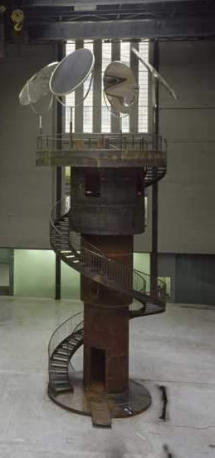
The installation consists of three steel towers, entitled I Do, I Undo
and I Redo. The towers, each some 9 metres (30 ft) high, dominate
the east end of the Turbine Hall. In I Do and I Redo, spiral staircases
coil around central columns supporting platforms which are
surrounded by a number of large circular mirrors.
May 13th
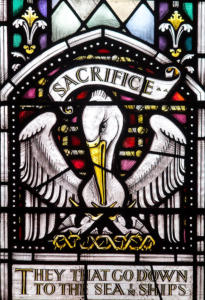
DIVINE LIGHT: THE STAINED GLASS OF ENGLAND’S CATHEDRALS
JANET GOUGH
This highly illustrated talk explores 900 years of stained glass,
with at least one window from each of England’s 43
cathedrals, Westminster Abbey and St George's Chapel,
Windsor Castle, and exploring medieval masterpieces via the
Reformation and nineteenth century Gothic Revival to striking
contemporary commissions, revealing how coloured light has
shaped worship, storytelling and space.
Divine Light has gone from book to nationwide campaign run
by the Association of English Cathedrals, attracting over
100,000 social media engagements and culminating in a
hugely successful public vote - sparking fresh interest in
cathedral stained glass and its power to move and inspire
today.
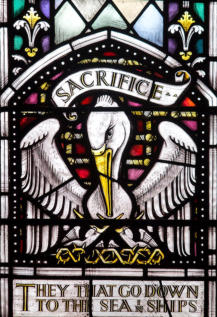
Stained glass window, Glasgow Cathedral, William Starkey
June 10th
CELEBRATING THE CENTENARY OF WINNIE-THE- POOH
JAMES CAMPBELL
2024 - 2028 marks one hundred years since Winnie-
the-Pooh was introduced to children of all ages in the
four iconic books created by A A Milne and E H
Shepard.
First seen in When We Were Very Young (1924),
Winnie-the-Pooh and the characters of the Hundred
Acre Wood had their own adventures in Winnie-The-
Pooh (1926), with Now We Are Six (1927) and The
House at Pooh Corner (1928), giving us more
wonderful poems and stories which include the
introduction of both Tigger, Kanga-and-Roo and
Poohsticks.
This lecture tells the story of how these much loved books were created by the genius
of Milne and Shepard’s ground breaking collaboration and why they remain embedded
in our national identity
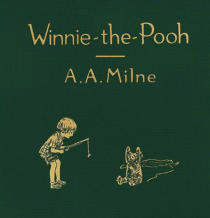
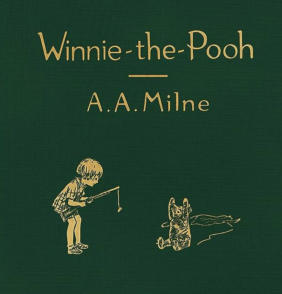
Cover of the American edition of Winnie-the-Pooh (1926)
Web site designed, created and maintained by Janet Groome,
Handshake Computer Training.




















Membership year 2025/26
Lecture programme
Great Hale (Magna) Hall - postcode NG34 9LH
Lectures begin at 2pm followed by tea and
biscuits.
We hope to continue with the lunches, October,
December, February, April and June. Further details
in the newsletters.
New Membership year 2026/27
November 12th
EMPEROR QIN SHI HUANGDI AND HIS
TERRACOTTA LEGACY
DAVID ROSIER
This lecture traces the
origins of the Chinese
Imperial Empire which was
formed in 221 BC and
lasted until 1911.
China’s first Emperor, Qin
Shi Huangdi (221-209 BC),
unified China in 221 BC
and proved to be an
exceptional bureaucrat,
creator of infrastructure and
Patron of the Arts.
His greatest legacy, however, was born out of his
obsession with immortality and this materialised in
the form of the World’s largest Necropolis. Its fame
came originally from the discovery of the Terracotta
Warriors in 1976 but now the site is recognised for
its vast infrastructure of buildings, including the still
sealed Emperor’s Mausoleum.
Imaginary depiction of Qin Shi Huang, 19th century
December 10th
THE JOURNEY OF THE MAGI: ORIGINS, MYTH
AND REALITY - THE TRUE STORY OF THE
THREE KINGS.
LESLIE PRIMO
There have been pictorial
representations of The
Magi from as early as at
least the 6th century, such
as depictions in Byzantine
ivories with origins in
places such as
Constantinople.
Indeed, a vast array of
artists, such as
Hieronymus Bosch
(c.1450-1516), Sandro
Botticelli (1445-1510),
Pieter Bruegel the Elder
(active 1550/1; died 1569), Albrecht Dürer (1471-
1528), Masaccio (1401-1428/9?), and Peter Paul
Rubens (1577-1640) to name but a few, have been
clearly fascinated by story and its possibilities when
it comes to visual depictions.
However, these depictions over this vast period of
time have been anything but consistent. All the
aforementioned artists will be mentioned.
J. C. Leyendecker, The three wise men
2027
February 11th
FRIDA KAHLO – A LIFE IN ART
FIONA ROSE
Mexican artist Frida Kahlo (1907-
54) was queen of the selfies long
before Kim Kardashian but
instead of using Instagram Frida
used a brush and oils to paint her
own reality.
Often associated with the
Surrealist movement, Frida
denied this insisting she painted
life exactly as she had
experienced it. Her personal life was tumultuous.
Horrifically injured in an accident as a teenager she
was dogged by physical pain for the rest of her life.
She married, divorced, and remarried the painter
Diego Rivera her artistic and political soulmate
though an unfaithful husband.
This illustrated lecture explores Frida's life as seen
through her most iconic paintings.
Frida Kahlo photographed in 1932 by her father
March 11th
CANALS – HISTORY AND HERITAGE
ROGER BUTLER
This lecture provides a colourful introduction to the
secret world of our 2000-mile inland waterway
network and looks at all aspects of their exceptional
artistic, architectural and engineering vernacular.
Features range from sweeping
aqueducts to tiny bollards; from
colourful historic narrowboats to
'Roses and Castles' artwork;
from grand World Heritage Sites
to quirky listed buildings.
A well-known architectural
historian once described our
canals as a 'poor man's art
gallery'.
Miss March makes a cup of tea on board her
narrowboat the 'HEATHER BELL' in 1942.
April 8th
LOUISE BOURGEOIS
COLIN PINK
Louise Bourgeois was one of the most important
artists of the twentieth century. She was born in
1911 in Paris but spent most of her life in New York
City where she died aged
98 in 2010.
Often working in isolation,
and belonging to no art
movement, she only
became famous in her later
years.
She was the first artist to
be commissioned to create
an installation for the
Turbine Hall of the newly
opened Tate Modern in
London in 2000.
The installation consists of
three steel towers, entitled I
Do, I Undo and I Redo. The
towers, each some 9 metres
(30 ft) high, dominate the east
end of the Turbine Hall. In I Do
and I Redo, spiral staircases coil around central columns
supporting platforms which are surrounded by a number
of large circular mirrors.
May 13th
DIVINE LIGHT: THE STAINED GLASS OF
ENGLAND’S CATHEDRALS
JANET GOUGH
This highly illustrated talk explores 900 years of
stained glass, with at least one window from each
of England’s 43 cathedrals, Westminster Abbey and
St George's Chapel, Windsor Castle, and exploring
medieval masterpieces via the Reformation and
nineteenth century Gothic Revival to striking
contemporary commissions, revealing how
coloured light has shaped worship, storytelling and
space.
Divine Light has gone from
book to nationwide
campaign run by the
Association of English
Cathedrals, attracting over
100,000 social media
engagements and
culminating in a hugely
successful public vote -
sparking fresh interest in
cathedral stained glass and
its power to move and
inspire today.
Stained glass window, Glasgow Cathedral, William
Starkey
June 10th
CELEBRATING THE CENTENARY OF WINNIE-
THE- POOH
JAMES CAMPBELL
2024 - 2028 marks one hundred years since
Winnie-the-Pooh was introduced to children of all
ages in the four iconic books created by A A Milne
and E H Shepard.
First seen in When We Were Very Young (1924),
Winnie-the-Pooh and the characters of the Hundred
Acre Wood had their own
adventures in Winnie-The-
Pooh (1926), with Now We
Are Six (1927) and The
House at Pooh Corner
(1928), giving us more
wonderful poems and
stories which include the
introduction of both Tigger,
Kanga-and-Roo and
Poohsticks.
This lecture tells the story of how these much loved
books were created by the genius of Milne and
Shepard’s ground breaking collaboration and why
they remain embedded in our national identity.
Cover of the American edition of Winnie-the-Pooh (1926)
Web site and mobile pages designed, created and maintained by
Janet Groome Handshake Computer Training